By Harvey Sanders
As I get ready to set the table for our Passover Seder, I keep coming back to Resetting the Table. But I am not talking about re-setting the table for the second Seder the following night. Bear with me, this will make sense.
During Passover, one of the selections from the Torah that we will read (on Sunday) includes Exodus 13:8 – “And you shall explain to your child on that day, ‘It is because of what God did for me when I went free from Egypt.’” But you don’t have to wait until Sunday to hear this verse, it is part of the Passover Haggadah. It is referenced when we describe the answer given to the “wicked son” as to why we observe the Passover Seder at all. We hold the Passover Seder each year to describe the experience of leaving Egypt, the experience of going from slavery to freedom. We are to tell this story in the first person – as if we were there. But none of us here today left Egypt. So how are we to do that? It is so hard to understand something we did not experience ourselves.
That brings me to the Resetting the Table part. Last month, members of the Jewish community went to an event at the Chapel, bringing together a group of Jews and Evangelicals to engage in direct dialogue. We were briefly trained in the work of an organization called Resetting the Table and had some leaders, including Rabbi Alex Lazerus Klein, model the process. It is essentially a method of trying to understand someone by actively listening to what they have to say and then repeating it in your own words with the goal of having the other person indicate whether you are really understanding what they are saying. If not, they clarify and you continue to describe what you are hearing until they indicate that you’ve got it. The goal is not for them to convince you that they are right or for you to convince them that they are wrong. It is simply to understand each other. I found the experience fascinating and transformative. I found myself sharing my hopes and fears with people I did not know, and they shared theirs with me. And we understood each other. For some of them, I was the first Jew they had engaged in dialogue with, and it was the most personal conversation I have had with an Evangelical person.
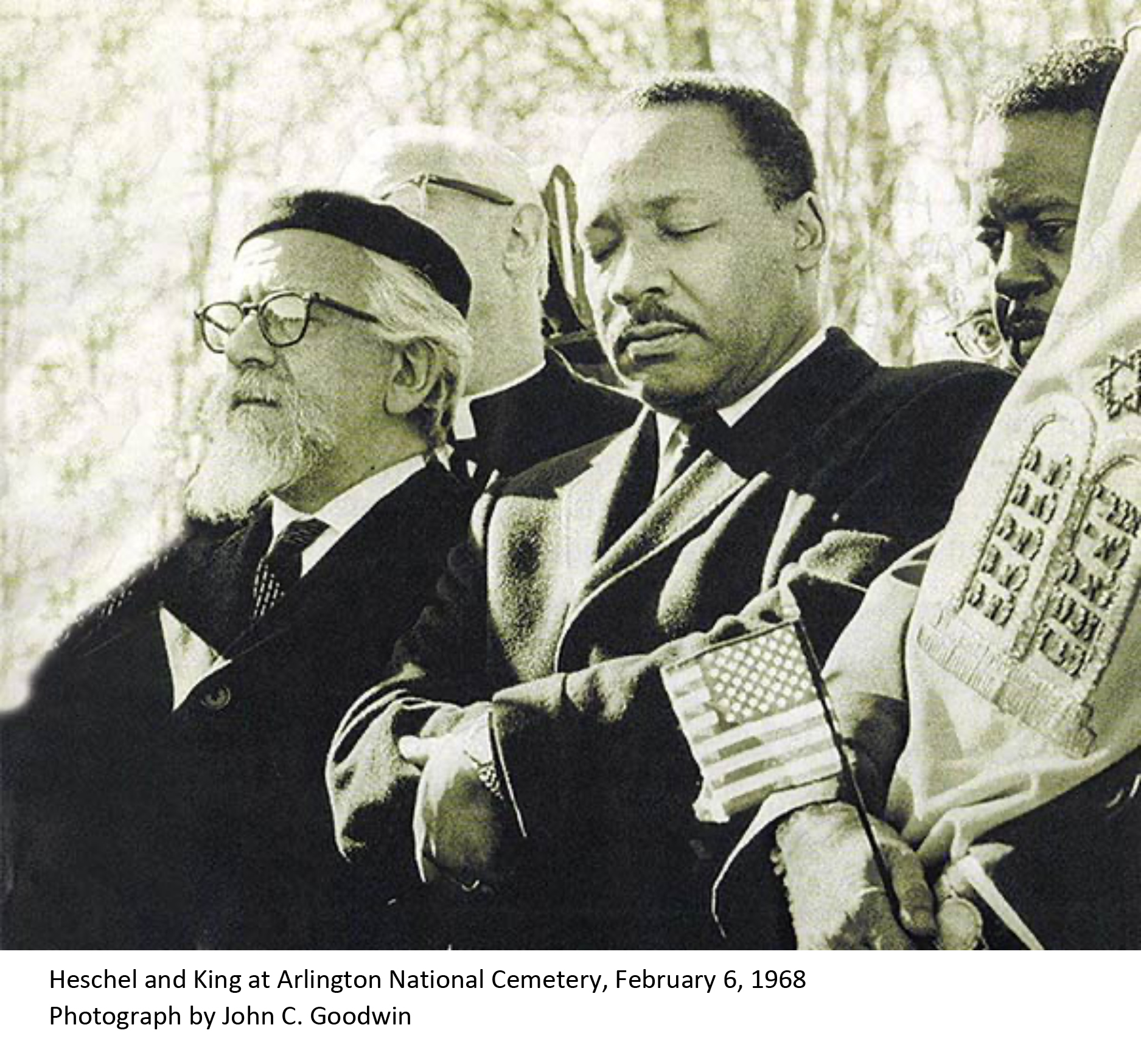 We do not get to speak to our ancestors to have them explain to us what it was like to go from slavery to freedom. But their words call out to us through the generations through the words of the Haggadah and the Torah and our other religious texts. I think one of the reasons that Jews played such a role in the American Civil Rights movement comes from our Passover experience. Our effort to understand the experience of our ancestors led us to a greater understanding of the African American experience. I have to believe this is why Rabbi Abraham Joshua Heschel marched with and became friends with Martin Luther King, Jr. Perhaps they engaged in Resetting the Table before that was a thing.
As you gather at your Seder tables with your family and friends this week, instead of engaging in family arguments where you try to convince each other of the wisdom of your beliefs, why not take some time, in a non-judgmental way, to learn where they are coming from and why. You may find a degree of understanding that you never expected. Chag Sameach!
Harvey Sanders is a partner at Sanders & Sanders, a law firm specializing in labor and employment law. He is a Past President of Temple Beth Tzedek and he currently chairs the Federation’s Community Relations efforts. He previously served on the Federation’s Board of Governors.